What Do Pearls Symbolize?
Short answerPearls have meant different things in different places. For thousands of years they have signaled wealth and status. In medieval Europe they became a Christian symbol of purity and chastity, and many cultures linked them with the moon. In the Bible, the kingdom of heaven is likened to a merchant who sells all he has for one "pearl of great price." Today pearl is a June birthstone and the gem of the 3rd and 30th anniversaries.
- People have coveted natural pearls as symbols of wealth and status for thousands of years.1
- The round shape of some pearls led many cultures to associate them with the moon.1
- In medieval times, pearls became a Christian symbol of purity and chastity.2
- Pearls have long been associated with purity, humility and innocence.3
- In ancient China, pearls were believed to protect against fire and fire-breathing dragons.1
- In the Bible, the kingdom of heaven is likened to a merchant who sells all he has to buy one pearl of great price.4
- Pearl is a June birthstone and the gem of the third and thirtieth anniversaries.5
On this page
Pearls have carried many meanings. GIA notes that pearls have always embodied the mystery, power and life-sustaining nature of water, the ponds, lakes, seas and oceans they come from.1 Here is what they have meant to different people.
Text version of this diagram
A pearl in the middle with seven meanings around it. Wealth and rank: in Roman and Byzantine jewelry and in Renaissance portraits. Purity and modesty: a Christian symbol in medieval Europe. The moon: the round shape of some pearls linked them with the moon in many cultures. Protection: in ancient China, pearls were believed to protect against fire and dragons. Legends of their origin: tears fallen from heaven, a dragon’s brain, or drops of dew. Tears: the superstition that pearls mean tears, and pearls in Victorian mourning jewelry. Love and milestones: a traditional wedding gift, a June birthstone, and the gem of the third and thirtieth anniversaries.
Wealth and rank#
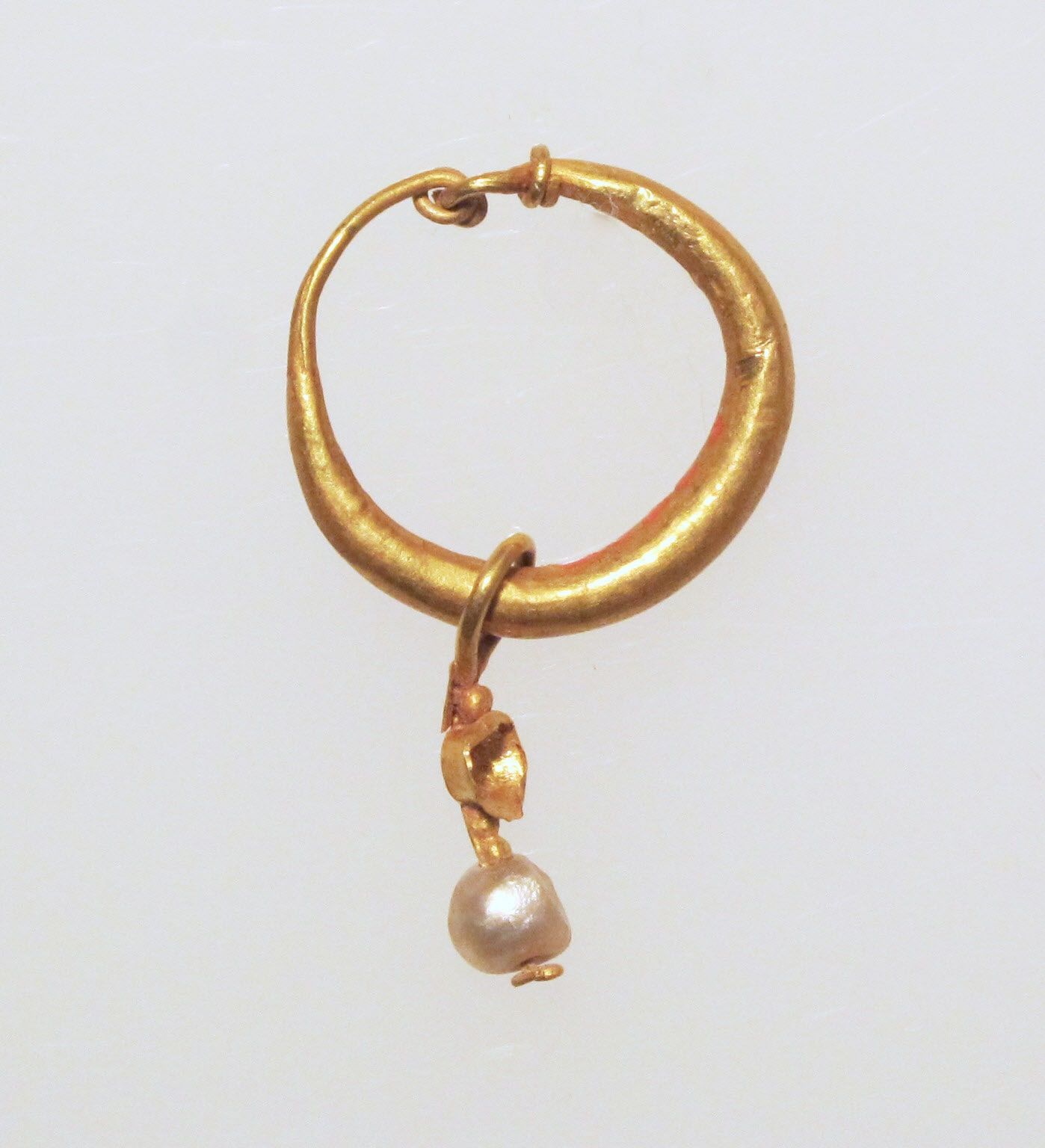
The oldest meaning is wealth. People have coveted natural pearls as symbols of wealth and status for thousands of years, and royal families and wealthy citizens passed them down the generations.1 In Roman and Byzantine jewelry, pearls were a sign of power and an indicator of rank in society, and in Renaissance portraits they were a mark of extreme authority and wealth.2
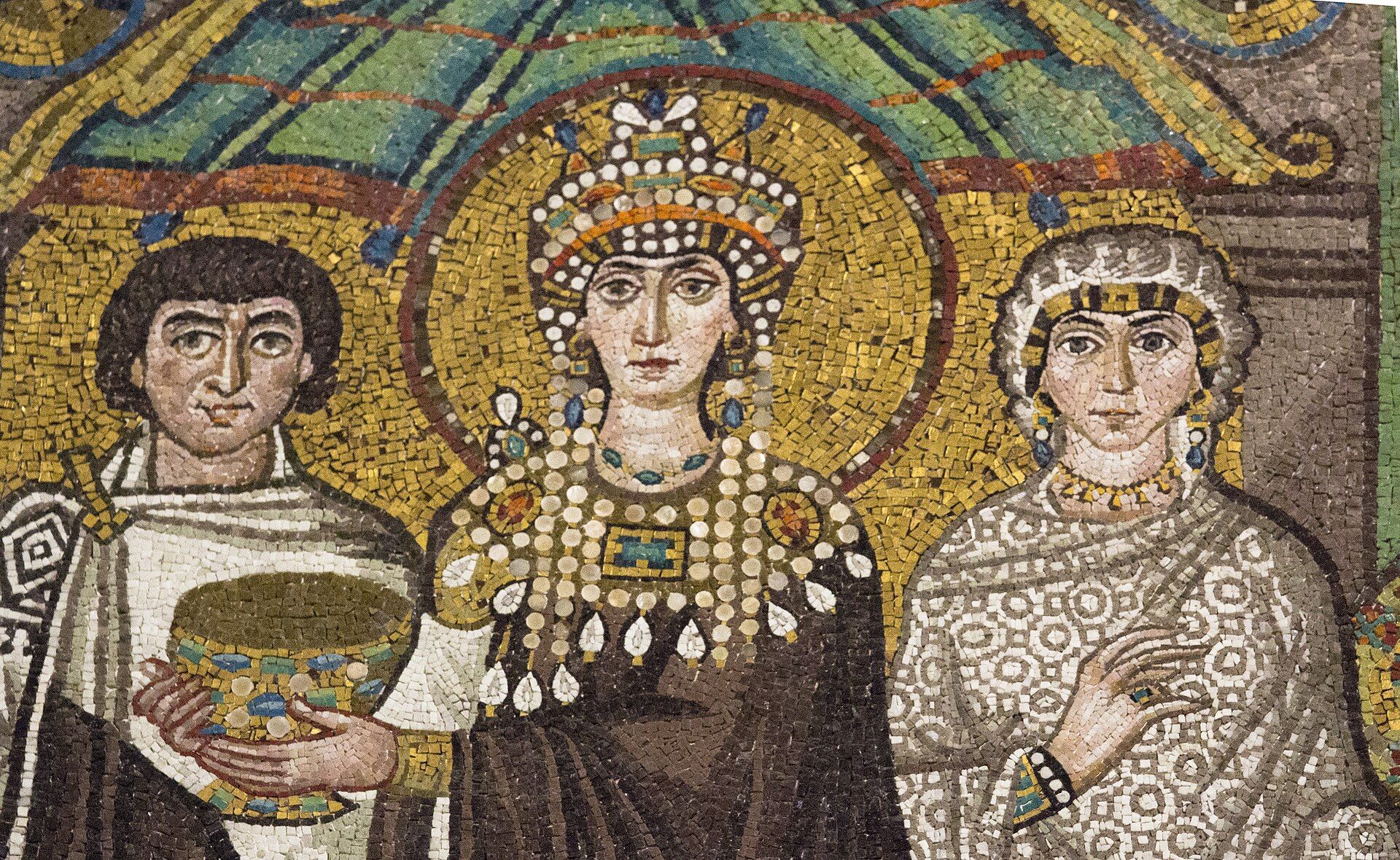

Roman writers recorded the excess. Pliny the Elder described Lollia Paulina, wife of the emperor Caligula, covered in emeralds and pearls worth forty million sesterces, and told how Cleopatra dissolved a pearl in vinegar to win a wager with Antony.6
Purity and modesty#
In Europe, pearls took on a gentler meaning. In medieval times they became a Christian symbol of purity and chastity,2 and GIA notes that in Europe they symbolized modesty, chastity and purity.1 Pearls have long been associated with purity, humility and innocence, which GIA sums up as “sweet simplicity.”3
The moon, dragons and tears from heaven#
The round shape of some pearls led many cultures to associate them with the moon.1 In ancient China, pearls were believed to protect against fire and fire-breathing dragons.1
Legends also explained where pearls came from. Ancient peoples of the Middle East believed pearls were teardrops fallen from heaven, the Chinese imagined that they came from the brain of a dragon, and Christopher Columbus and his contemporaries thought mollusks formed them from dew drops.3 The page pearl myths sets these beside the science.
Pearls in the Bible#
Pearls appear several times in the King James Version of the Bible:4
- In Matthew 13:45–46, the kingdom of heaven is like a merchant seeking goodly pearls who, on finding one “pearl of great price,” sells all he has to buy it.4
- Matthew 7:6 gives the saying “neither cast ye your pearls before swine.”4
- In 1 Timothy 2:9, women are urged to adorn themselves in modest apparel, “not with broided hair, or gold, or pearls, or costly array.”4
- In Revelation 21:21, the twelve gates of the holy city are twelve pearls, each gate of one pearl.4
Tears and superstition#
Not every meaning was kind. Emily Post wrote in 1922 that “pearls are supposed to mean tears,” and dismissed it, together with other gem lore, as unfounded superstition.7 In Victorian times, pearls often carried sentimental and symbolic meanings, and appeared in mourning jewelry such as a pendant locket with a black pearl commemorating Prince Albert, from 1862.2
Love, birthdays and anniversaries#
Pearls were traditionally given as a wedding gift.3 Pearl is also a June birthstone and the gem of the third and thirtieth anniversaries.5 The pages June birthstone, pearls for weddings and the pearl anniversary go further.
Questions people ask#
What does a pearl symbolize in the Bible?
Pearls appear several times in the King James Version. In Matthew 13:45–46 the kingdom of heaven is like a merchant who sells all he has for one "pearl of great price"; Matthew 7:6 says "neither cast ye your pearls before swine"; and in Revelation 21:21 each of the twelve gates of the holy city is one pearl.4
Do pearls mean tears?
That is an old superstition. In her 1922 Etiquette, Emily Post noted that "pearls are supposed to mean tears," and dismissed it, along with other gem meanings, as unfounded superstition. Pearls have long been a traditional wedding gift.3 7
References#
- Gemological Institute of America (GIA), Gem Encyclopedia. Pearl History and Lore. Source · Archived copy (accessed 2026-10-25)
- Victoria and Albert Museum, with Qatar Museums Authority (2013). Pearls (exhibition press release). Source · Archived copy (accessed 2026-10-26)
- Gemological Institute of America (GIA), Birthstones. June Birthstones. Source · Archived copy (accessed 2026-10-25)
- Project Gutenberg eBook #10. The Bible, King James Version. Source · Archived copy (accessed 2026-10-26)
- Gemological Institute of America (GIA), Gem Encyclopedia. Pearl. Source · Archived copy (accessed 2026-10-25)
- Pliny the Elder; translated by John Bostock and H. T. Riley. The Natural History, Book IX, Chapter 58: Instances of the use of pearls. Source · Archived copy (accessed 2026-10-26)
- Emily Post (1922). Etiquette in Society, in Business, in Politics and at Home. Source · Archived copy (accessed 2026-10-26)
- Written by
- Learn About Pearls editors
- Fact-checked
- Learn About Pearls editors,
- Reviewed by
- Simon,
- First published
- Publisher
- Unique Pearl, a pearl jeweler
Revision history
- : First published. First published
How to cite this page
- APA
- Learn About Pearls editors. (2026). What Do Pearls Symbolize? Learn About Pearls. https://learnaboutpearls.com/wearing/pearl-symbolism-and-traditions/
- MLA
- “What Do Pearls Symbolize?” Learn About Pearls, Unique Pearl, November 4, 2026, learnaboutpearls.com/wearing/pearl-symbolism-and-traditions/.
- Chicago
- Learn About Pearls editors. “What Do Pearls Symbolize?” Learn About Pearls. Unique Pearl. Last modified November 4, 2026. https://learnaboutpearls.com/wearing/pearl-symbolism-and-traditions/.
- BibTeX
@misc{lap-wearing-pearl-symbolism-and-traditions, title = {What Do Pearls Symbolize?}, author = {{Learn About Pearls editors}}, year = {2026}, howpublished = {\url{https://learnaboutpearls.com/wearing/pearl-symbolism-and-traditions/}}, note = {Learn About Pearls, published by Unique Pearl}}
Quoting with attribution and a link is welcome. See how to cite and reuse.